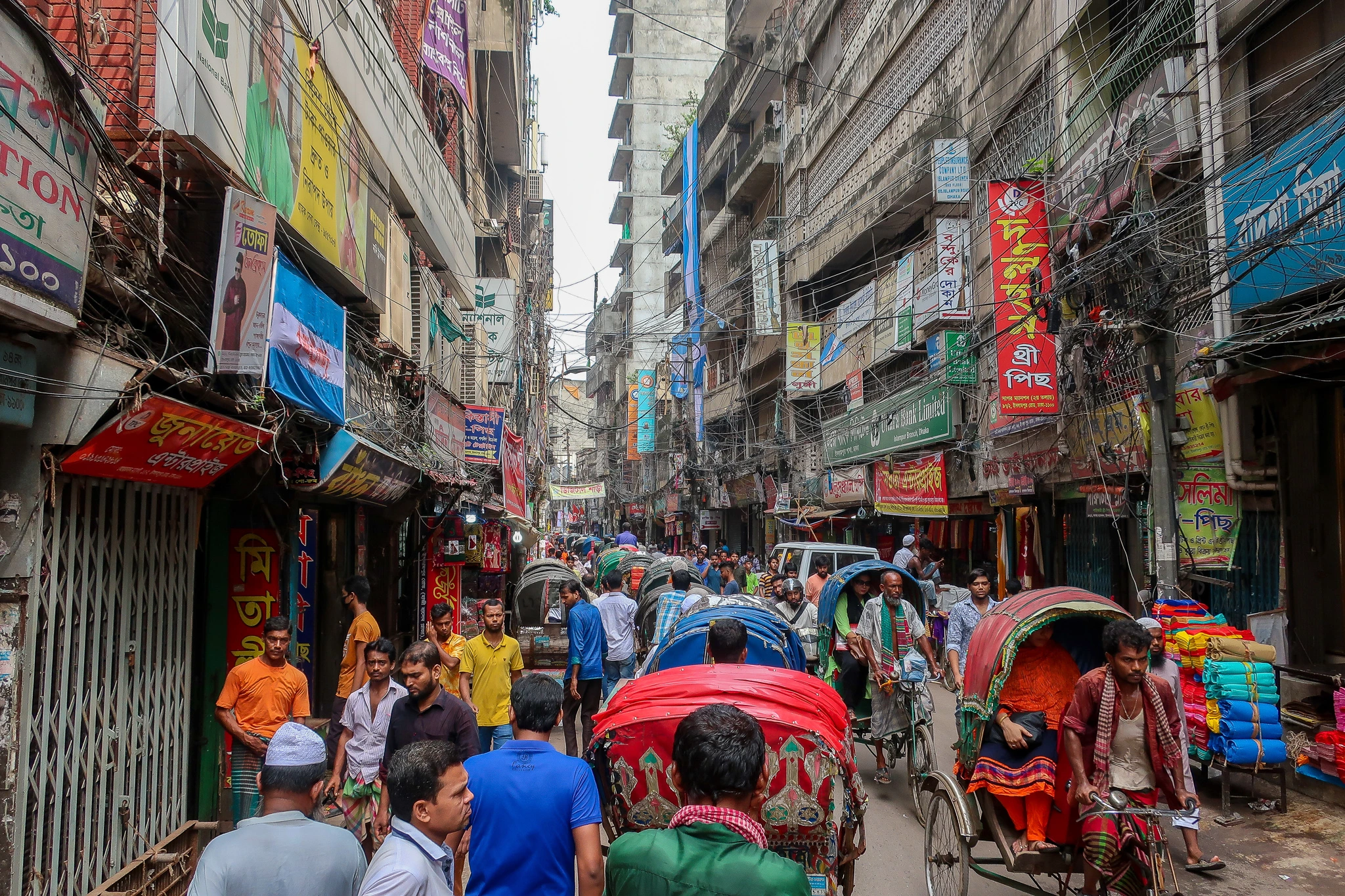
When you first hear city of Dhaka Bangladesh, you might imagine only traffic, crowds, and chaos. And yes, Dhaka is intense. It’s also one of the most surprising, colourful, and rewarding cities in South Asia – especially if you love history, photography, and real local culture instead of “polished” tourist zones.
This in-depth Dhaka travel guide is written for international visitors (especially from the USA and Europe) who want to discover the best of Dhaka – from the Mughal lanes of Old Dhaka to the glittering glass towers of Gulshan – with practical tips, suggested itineraries, and plenty of ideas for day tours beyond the capital.
Why the City of Dhaka Bangladesh Belongs on Your Bucket List
Dhaka is the capital city of Bangladesh, a megacity built on the banks of the Buriganga River. It’s often described as the most densely populated city in the world, but that statistic doesn’t tell the whole story.
Dhaka is:
- A city of layered history – from ancient Buddhist settlements to Mughal rulers, British colonial traders, and the Liberation War of 1971.
- A living museum of mosques, temples, and palaces, including Lalbagh Fort, Ahsan Manzil Museum, and the iconic Dhakeshwari Temple.
- A place where rickshaws, river steamers, street markets, and modern metro lines all coexist – sometimes chaotically, always fascinating.
For many travellers who have already been visiting most of South-East Asia, Dhaka feels like a new region in the world – familiar in some ways, but far less commercial and far more authentic.
Getting to Dhaka from the USA and Beyond
Most international visitors arrive at Hazrat Shahjalal International Airport (DAC). There are no direct flights from the USA yet, but you can easily connect via hubs like Doha, Dubai, Istanbul, or Singapore.
Visa & entry
- Many nationalities are eligible for visa-on-arrival, but always check the latest rules with your nearest Bangladeshi embassy before flying.
- Keep your hotel booking confirmation and a return/onward ticket handy for immigration officers.
Best time to visit the city of Dhaka Bangladesh
- November – February: Cool, dry, and generally the best time for sightseeing and walking tours.
- March – May: Hot and humid; good for photography with hazy golden light, but you’ll need sun protection and plenty of water.
- June – October (monsoon): Heavy showers, occasional flooding, dramatic skies. If you don’t mind rain, this season can be very atmospheric.
New City vs Old City – Understanding Dhaka’s Layout
To enjoy Dhaka, it helps to understand its two main faces:
Old Dhaka – Historic Heart on the Buriganga
Old Dhaka sprawls along the bank of the river Buriganga in Dhaka. This is where the Mughal governors built palaces, mosques, and markets; today it’s an atmospheric maze of narrow lanes, spice shops, rickshaws, and riverside life.
Here you’ll find:
- Lalbagh Fort – an unfinished Mughal fort complex with gardens.
- Ahsan Manzil Museum – the “Pink Palace” of the Nawabs, now a museum.
- Sadarghat river port – a wildly photogenic tangle of ferries and wooden boats.
- Traditional markets, metal workshops, and hidden shrines.
Old Dhaka is where an Old Dhaka Tour with a local guide becomes invaluable; you’ll navigate faster, learn more stories, and feel safer in the crowds.
New Dhaka – Gulshan, Banani, Dhanmondi & Beyond
North of the old centre, New Dhaka is the modern side of the city of Dhaka Bangladesh – with embassies, upscale cafés, shopping malls, and business districts. Gulshan, Banani, and Dhanmondi are where most international visitors stay.
Here you’ll find:
- Lakeside promenades such as Gulshan Lake and Dhanmondi Lake.
- Trendy rooftop restaurants and specialty coffee shops.
- Easier access to the airport and better-quality hotels.
For many travellers, the perfect balance is to sleep in New Dhaka for comfort and then dive into Old Dhaka during the day with guided tours.
Must-See Dhaka Tourist Attractions
You could spend weeks exploring the city, but these highlights create a strong Dhaka Travel Guide for first-time visitors.
Lalbagh Fort – Mughal Heritage in the Heart of the City
This 17th-century fort complex is one of the top Dhaka tourist attractions. Wander through the terracotta-red gateways, manicured gardens, and the tomb of Pari Bibi while imagining the days when Dhaka was a key Mughal stronghold.
- Best time: late afternoon for softer light and cooler temperatures.
- Photography: excellent – domes, arches, and sunset silhouettes.
Ahsan Manzil Museum – The Pink Palace on the Buriganga
Located right on the bank of the river Buriganga in Dhaka, Ahsan Manzil was once the residence of the Nawabs of Dhaka. The pastel pink façade is instantly recognisable, and the interior rooms – restored with antique furniture and photographs – tell stories of colonial-era pomp and power.
Combine Ahsan Manzil with a walk along the bustling riverfront or a short boat ride at sunset.
Dhakeshwari Temple – Spiritual Heart of the City
This centuries-old Hindu temple is one of Dhaka’s most sacred sites. Step inside to see devotees lighting candles, offering flowers, and ringing bells. It’s a peaceful counterpoint to the chaotic streets outside.
Respectful clothing (shoulders and knees covered) is essential for both men and women.
Baldha Garden – A Green Oasis in Old Dhaka
Often overlooked by casual visitors, Baldha Garden located Dhaka city is a botanical treasure created by a local landlord in the early 20th century. Its ponds, rare plants, and shaded benches make it a relaxing stop between hectic markets.
Nature lovers and photographers will appreciate the contrast between lush greenery and the dense urban surroundings.
Sadarghat & the Buriganga River – Life on the Water
Few places capture the soul of the city of Dhaka Bangladesh like Sadarghat. Wooden rowboats weave between huge passenger ferries; porters carry impossible loads; the air is thick with shouts, whistles, and river smells.
- Take a short boat ride at golden hour for unforgettable photos.
- Watch the legendary Rocket Paddle Steamer departing in the evening for the south.
Jatiya Sangsad Bhaban – The National Parliament House
Designed by world-famous architect Louis Kahn, this monumental complex in Sher-e-Bangla Nagar is one of Dhaka’s most striking pieces of modern architecture. You can’t always go inside, but even viewing the geometric concrete forms from outside is impressive.
Ramna Park, Hatirjheel & Green Spaces
Despite its reputation as a concrete jungle, Dhaka does have parks and lakes where residents come to walk, jog, and relax.
- Ramna Park – central, leafy, and lively, especially in the early morning.
- Hatirjheel – a modern lake development with bridges and night lighting, popular with young locals and families.
Hidden Gems and Local Experiences in Dhaka
Beyond the big-name sights, some of the best memories come from uncovering hidden gems and iconic landmarks Dhaka residents love.
Street Photography in the City of Dhaka Bangladesh
With its colourful rickshaws, crowded bazaars, and dramatic river scenes, Dhaka is a dream for photographers. Joining a Street Photography Tour in Dhaka lets you explore back lanes, dockside activity, and local markets at the best times of day, without worrying about where to go or how to communicate.
Markets, Bazaars & Local Neighbourhoods
- Chawk Bazaar – famous for clothing, electronics, and Ramadan delicacies.
- Shankhari Bazar – one of the oldest streets, lined with narrow Hindu merchant houses.
- New Market & Bashundhara City – more modern spots where middle-class Dhakaites shop.
Talking to shop owners, tasting street snacks, and watching everyday interactions is one of the simplest ways to Discover Dhaka City beyond the guidebooks.
Rickshaw Rides & the Rhythm of the City
Dhaka’s hand-painted cycle rickshaws are both art and transportation. A slow ride through Old Dhaka or Dhanmondi at night, when the air is a little cooler, is a small adventure in itself.
Food Guide – Taste Dhaka One Plate at a Time
A Dhaka Food Tour is almost essential if you want to understand the city through your tastebuds. Bangladeshi cuisine is rich, spicy, and deeply comforting.
Must-Try Dishes
- Kacchi Biryani – fragrant rice with slow-cooked mutton, often reserved for celebrations.
- Bhuna Khichuri – spiced rice and lentils, especially delicious during the monsoon.
- Hilsa fish (Ilish) – the national fish, often cooked with mustard.
- Fuchka & Chotpoti – tangy street snacks loved by locals of all ages.
- Bakarkhani & sheermal breads – Old Dhaka specialties.
Where to Eat
- Local eateries in Old Dhaka for traditional dishes and legendary biryanis.
- Modern cafés in Gulshan and Banani for fusion food, coffee, and desserts.
- Street-side tea stalls everywhere for endless cups of strong, sweet cha.
Food is also one of the easiest ways to connect with locals – don’t be surprised if you’re invited to share a table or pose for photos.
Suggested Itineraries for the City of Dhaka Bangladesh
To help you plan, here’s how you could structure your time in the capital, with opportunities to link your Dhaka stay to other tours across the country.
One-Day Snapshot – Half-Day Tour Dhaka Style
If you have only 24 hours:
- Morning in Old Dhaka:
- Lalbagh Fort
- Dhakeshwari Temple
- Short walk through nearby bazaars
- Afternoon at the river:
- Ahsan Manzil Museum
- Boat ride from Sadarghat at sunset
This is the classic quick Half-Day Tour Dhaka travellers love – chaotic, beautiful, and unforgettable.
Two-Day Classic – Discover Dhaka City
Day 1 – Old Dhaka Immersion
- Guided Old Dhaka Tour covering Lalbagh Fort, Dhakeshwari Temple, Baldha Garden, Sadarghat, and local markets.
- Evening food walk sampling biryani, fuchka, and kebabs.
Day 2 – New Dhaka & Modern Landmarks
- Visit Jatiya Sangsad Bhaban, the National Museum, and Ramna Park.
- Detour to Ahsan Manzil if you missed it on Day 1.
- Dinner in Gulshan or Banani.
Three Days or More – Dhaka Plus Day Trips
With extra time, Dhaka becomes the perfect hub to explore more of Bangladesh with World Heritage and Historical Places Tours:
- Old Dhaka and Sonargaon Tour – combine the capital with the ancient capital at Sonargaon, including Visiting Panam City, the abandoned merchant town with Indo-European architecture.
- Sreemangal and Sylhet Tour / Sreemanagal Tour – escape to tea gardens, rainforests, and tribal villages in the northeast.
- Sundarbans and Bagerhat Tour – journey to the world’s largest mangrove forest and the historic mosques of Bagerhat (both UNESCO sites).
- North Bengal tour – explore archaeological sites, ancient temples, and serene countryside.
By linking Dhaka to these routes, you can turn a few busy city days into a full A Cultural Tour of Bangladesh.
Practical Travel Tips for Dhaka
To fully enjoy the city of Dhaka Bangladesh, preparation is key.
Safety & Etiquette
- Dhaka is generally friendly, but normal big-city precautions apply: keep valuables secure, avoid poorly lit alleys at night, and use trusted transport.
- Dress modestly, especially in Old Dhaka and religious sites: long trousers for men; long trousers or skirts and a scarf for women.
- Always ask before photographing people, especially women and inside religious sites.
Money, SIM Cards & Connectivity
- Currency: Bangladeshi Taka (BDT). Cash is still king in markets and small shops.
- ATMs: Widely available in New Dhaka; less common in older neighbourhoods.
- SIM cards: Grameenphone, Robi, and Banglalink offer tourist-friendly packages – bring your passport for registration.
Transport Inside the City
- Rickshaws – perfect for short distances and local colour.
- Uber and local ride-hailing apps – convenient in Gulshan, Banani, and Dhanmondi.
- Dhaka Metro Rail – gradually expanding and helping to avoid some traffic jams.
- Plan extra time for every journey; traffic can be unpredictable.
Why Explore Dhaka with Bangladesh Explore
Navigating the city of Dhaka Bangladesh alone can feel overwhelming, especially on your first visit. A reliable local operator helps you unlock the city’s stories safely and comfortably.
Bangladesh Explore positions itself as one of the Best Tour Agency in Bangladesh for culturally curious travellers. With carefully designed experiences like Old Dhaka Tour, Dhaka Food Tour, and multi-day World Heritage and Historical Places Tours, you can:
- Travel with licensed, English-speaking guides who know the backstreets and the best photo spots.
- Enjoy private or small-group transport instead of worrying about negotiating every ride.
- Connect your Dhaka stay to longer journeys such as Sundarbans and Bagerhat Tour or Sreemangal and Sylhet Tour, all arranged by the same team.
For first-time visitors from the USA or Europe, this local expertise turns Dhaka from “intimidating” into “incredibly rewarding”.
Frequently Asked Questions about the City of Dhaka Bangladesh
Is Dhaka safe for foreign tourists?
Dhaka is generally welcoming to foreign visitors, especially around main tourist areas. Petty theft can occur, as in any big city, so use common-sense precautions: keep your phone secure, avoid flashing expensive jewellery, and stick to busy, well-lit streets at night. Travelling with a local guide or organised tour adds an extra layer of safety and comfort.
How many days do I need to explore Dhaka properly?
If you only want to see the main Dhaka tourist attractions, two full days is enough: one for Old Dhaka and one for New Dhaka. For a deeper experience – including food walks, markets, and a day trip to Sonargaon or Visiting Panam City – plan for three days in the city of Dhaka Bangladesh.
What is the best area to stay in Dhaka?
Most international travellers stay in Gulshan, Banani, or Baridhara in New Dhaka. These neighbourhoods offer better hotels, cafés, and security, while still giving reasonably good access to Old Dhaka by car or metro. Dhanmondi is another good option if you prefer a slightly more local feel with lakeside parks and restaurants.
Do I need a guide to explore Old Dhaka?
Technically, no – but practically, a guide makes a huge difference. Old Dhaka’s lanes are dense and confusing, and English signage is limited. A guided Old Dhaka Tour helps you navigate efficiently, understand the history, find the best viewpoints, and taste safe, delicious street food without worrying about logistics.
What should I wear when visiting mosques and temples in Dhaka?
Dress modestly: long trousers and covered shoulders for everyone. Women may also want a light scarf to cover their hair inside mosques. Shoes must be removed before entering mosques and many temples, so slip-on footwear is convenient. Respectful clothing not only honours local culture but also makes you feel more comfortable blending into the capital city of Bangladesh.
How can I combine Dhaka with other destinations in Bangladesh?
Dhaka is the main gateway for exploring the rest of the country. From here you can join organised trips such as Sundarbans and Bagerhat Tour, Sreemangal and Sylhet Tour, or a North Bengal tour focusing on archaeology and rural landscapes. Multi-day World Heritage and Historical Places Tours are a great way to connect Dhaka’s history with UNESCO sites like the Sundarbans and the Mosque City of Bagerhat.